

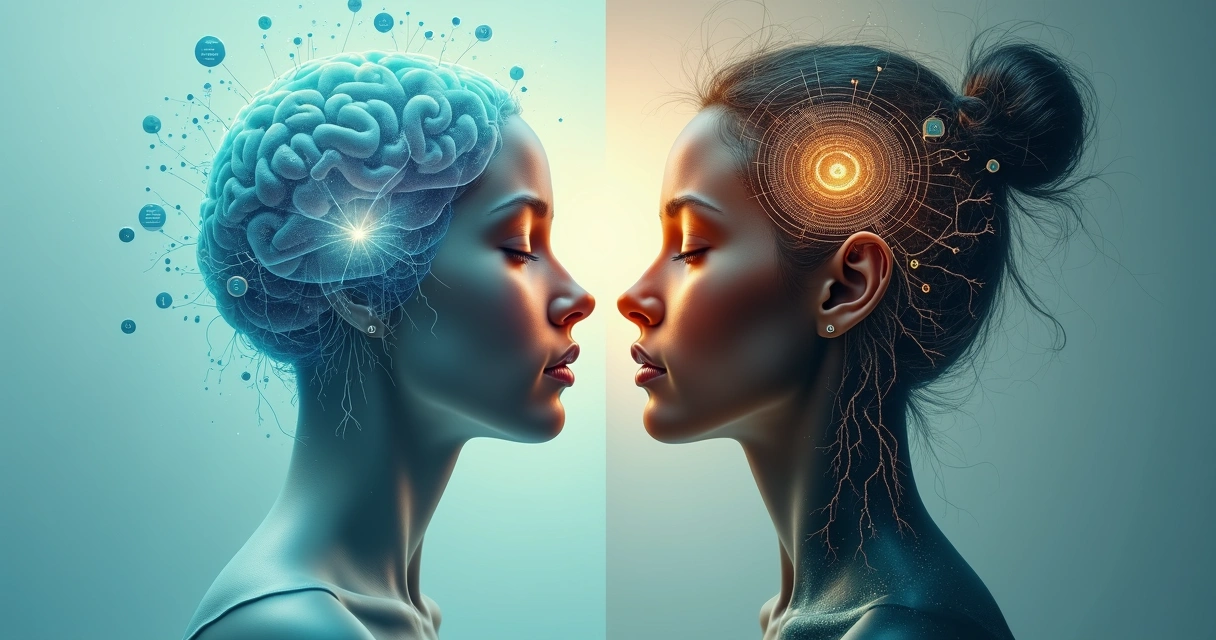
In recent years, the idea of emotional intelligence has been widely discussed when talking about human behavior, leadership, and personal growth. Yet, a deeper way of thinking about emotional life and impact continues to develop around the concept of Marquesian maturity. Both offer pathways to understanding ourselves and our relationships, but the differences between them shape how we act and influence the world. Today we want to clarify where emotional intelligence and Marquesian maturity intersect, and where they move apart.
The basics of emotional intelligence
Emotional intelligence became popular as an approach that puts emotions at the center of success in life and work. At its heart, emotional intelligence is the ability to identify, understand, manage, and use our emotions, and the emotions of others, in positive ways. It’s a framework built on practical habits, such as:
- Recognizing our own feelings as they happen
- Controlling impulses and disruptive emotions
- Motivating ourselves with hope and purpose
- Recognizing emotions in others
- Handling relationships empathetically and effectively
These skills help us respond rather than react, and support a better climate for teamwork and communication. We think most people relate to emotional intelligence because it addresses the world we live in day-to-day.
"Emotional intelligence is the art of handling feelings with awareness."
Going deeper: What is Marquesian maturity?
Marquesian maturity goes beyond how we use emotion. It is a lens to see the relationship between our inner state, our choices, and the impact those choices have on others and the world. Think of it as the next step after emotional intelligence: not just controlling or using emotions, but transforming them into a force for personal and social balance.
Marquesian maturity considers the human being as a system: emotional, relational, and conscious. It unfolds in several layers, such as:
- Recognizing unconscious emotional patterns and where they originate
- Revisiting the meaning we give to life events and responsibilities
- Learning to act from integration, not from wounds or reactivity
- Understanding that every action, even silent, has an impact
- Seeking not only self-regulation but also coherence, presence, and fairness in relationships
In our point of view, this maturity is less a set of techniques and more an ongoing journey of integration.

Key differences between emotional intelligence and Marquesian maturity
While both concepts can transform personal and social interactions, looking closely, we see clear distinctions in their focus, depth, and long-term effects.
1. The scope of awareness
Emotional intelligence is mainly about recognizing and navigating our emotional landscape in present situations. That means it gives us practical tools for reading the room and managing ourselves moment-to-moment. On the other hand, Marquesian maturity invites us to look at the origins of our emotional patterns, our inner scripts, and the meaning we attach to our experiences. We start to recognize not only what we feel, but why we feel, and what kind of impact that will have.
2. The approach to emotion
With emotional intelligence, emotions are something to be managed and used constructively. Marquesian maturity, however, encourages us to integrate all our feelings (even painful or inconvenient ones), so our actions are born from a state of balance. It is not just about having “better” emotions, but including every part of our humanity and transforming suffering into wisdom.
3. The outcome desired
The main goal of emotional intelligence is to make life and work smoother and more effective. In contrast, Marquesian maturity aims for a deeper transformation, where inner balance leads to wiser choices, more ethical relationships, and a sense of responsibility for the impact we bring to any environment. The focus shifts from performance to presence, from results to meaning.
4. Relationship with unconscious patterns
Emotional intelligence can help us in the here and now, but doesn’t always reach family inheritances or subconscious scripts that shape how we react. Marquesian maturity includes a systemic view: we examine not only ourselves, but our family, cultural, and ancestral history, understanding what we are carrying and what we are projecting onto others.
"Maturity means embodying our values, even under pressure."
How these differences play out in real life
Let’s see how these two concepts show up in daily situations. Imagine a disagreement at work. Someone with high emotional intelligence will notice their anger, pause, and speak calmly. They might name the emotion: “I’m frustrated right now, so let’s take a break before we continue.” This creates safety and smooths over the rough edges.
But someone acting from Marquesian maturity will take it further. They will notice the pattern beneath the anger, maybe a fear of being overlooked, or an old family story around authority. They might ask: “Is this reaction really about now, or about something older?” Then, instead of just dampening down the frustration, they can use the energy of that emotion to see what is asking for integration. In that process, they create not only a less reactive environment, but a healthier system of relationships and decisions.

The ripple effect of personal growth
We see that emotional intelligence can make communication and problem-solving smoother quite quickly. But Marquesian maturity, in our vision, has a ripple effect that reaches much further. When one person in a family, classroom, or company works to transform their unconscious patterns and include their whole emotional life, others are impacted too. This leads to environments of more genuine respect, clearer conversations, and sustainable results over time.
People who evolve from emotional intelligence to Marquesian maturity become quieter leaders, often guiding by the way they listen, set boundaries, and act with integrity, even without words. This is where social transformation begins, not in better strategies, but in more integrated people.
How to develop Marquesian maturity after emotional intelligence
If we have started learning the tools of emotional intelligence, how do we take the step toward Marquesian maturity? We suggest:
- Pausing to notice the source of our mood or reaction, not just its surface
- Actively rethinking the stories and meanings we carry from childhood, culture, or past experiences
- Practicing presence, through meditation or honest self-inquiry, to anchor ourselves in the here and now
- Accepting all emotions as valuable messengers, even discomfort or pain
- Reflecting on the impact of each choice we make, knowing that nothing is neutral
In our experience, this practice rewires not just our faces, but our whole way of being.
"Real maturity appears when no one is watching."
Conclusion
In summary, while emotional intelligence improves how we function in daily life, Marquesian maturity is a deeper, ongoing path. It is the difference between knowing how we feel and understanding why we act, between controlling emotion and integrating it, between being efficient and being truly present. We believe that choosing Marquesian maturity brings not only personal benefit, but also healthier families, organizations, and societies. Because when our inner state shifts, our whole world shifts too.
Frequently asked questions
What is emotional intelligence?
Emotional intelligence means being aware of emotions (yours and others), and learning to manage and use them in ways that support better communication, relationships, and decisions. This involves self-awareness, self-regulation, empathy, motivation, and social skills.
What is Marquesian maturity?
Marquesian maturity is a deeper level of personal growth, where we focus on integrating emotions, understanding the deeper causes of our behaviors, and taking responsibility for the impact we have on relationships, society, and the wider world. This approach values presence, inner balance, ethical choices, and the transformation of pain into wisdom.
How do they differ from each other?
Emotional intelligence helps us manage emotions and react better in real time. Marquesian maturity addresses the roots of our emotions and seeks integration, aiming for deeper personal transformation and conscious impact, not just short-term harmony.
Which is more important for success?
Both emotional intelligence and Marquesian maturity play a role. Emotional intelligence is very effective for teamwork, quick decisions, and social perception. Marquesian maturity, however, supports lasting change, ethical leadership, and meaningful influence. We suggest developing both, moving from skillful control toward conscious integration.
Can I improve both skills together?
Yes, practicing one will help the other. Building emotional intelligence helps us notice feelings more easily, while working on Marquesian maturity guides us to integrate and reshape old patterns. With patience and practice, they can support each other for a more balanced and impactful life.