

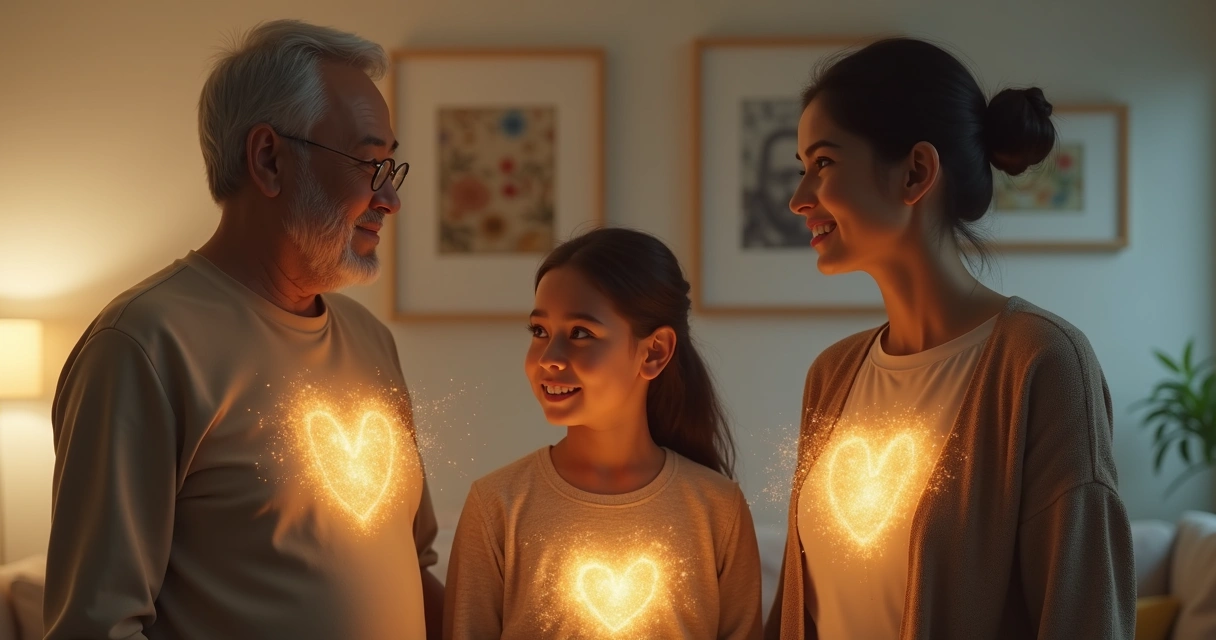
We often think of inheritance as a house, a sum of money, or family treasures passed from one generation to the next. Yet, there is a form of inheritance that shapes our lives in ways just as real: emotional inheritance. It colors how we react, decide, love, and lead. Sometimes, it even whispers in our thoughts when we believe we are alone. Understanding it is not only a journey into the past, but a map toward healthier choices in the present and future.
What is emotional inheritance?
Emotional inheritance refers to the emotional patterns, beliefs, and wounds that are passed unconsciously from one generation to another within families and communities.
These inherited emotions are not always visible. Instead, they often appear as habits, automatic reactions, or strong yet unexplained feelings in certain situations.
Think of sudden anxiety around money, a repeating tension in relationships, or a quiet sense of guilt that makes no logical sense given our present lives. In our experience, these feelings are sometimes less about what we have personally lived and more about the unspoken history that flows through our family lines.
We carry stories we do not remember.
When we pause and start to name these patterns, we reclaim the possibility of living differently, with more freedom and responsibility.
How emotional inheritance happens
We believe emotional inheritance takes root in several ways, often outside of conscious awareness:
- Modeling: As children, we observe how our caregivers handle stress, frustration, joy, and sadness. We internalize both their gestures and their silences.
- Unspoken secrets and trauma: Painful family events, if left unprocessed or hidden, can travel as mysterious burdens or reactive behaviors in later generations.
- Relational dynamics: The way love, conflict, authority, and support are given and received forms templates that we may repeat, question, or try to escape.
- Cultural and societal messaging: Collective beliefs about gender roles, status, or emotion also inform our inherited emotional patterns.
In our experience, emotional inheritance may be seen in families where anger is banished, affection feels distant, or achievement becomes the only permitted language of worth.
The signs and effects of emotional inheritance
How can we recognize emotional inheritance in daily life? The clues are not always obvious at first. We notice it in:
- Repeated relationship struggles that seem bigger than the current context
- Fears or anxieties that do not align with our personal history
- Unexplained loyalties or guilt that drive certain choices
- Automatic behaviors in conflict, trust, or self-care
- Patterns of emotional shutdown or overwhelm
If we pause and honestly observe these patterns, we may recognize that they echo voices or events from before our own time. This realization opens a window into how deeply the emotional landscape of our family, community, or culture shapes our present experience.
Why does emotional inheritance matter?
Understanding emotional inheritance matters because it helps us move from blame or frustration into deeper compassion and choice. When we realize that recurring difficulties are often shared family themes, we can begin to bring kindness instead of harshness to ourselves and others.
We also see this awareness as a foundation for change. If emotions from the past drive today’s reactions, naming them, feeling them, and working through them allows for more balanced decisions, fairer relationships, and a sense of integrity in our actions.
To heal our emotional inheritance is not to judge our family, but to free ourselves and those who come after us.
This is a step into maturity. Instead of being pushed by old stories, we learn to meet life as it is, with all its complexity, and respond from a place of greater presence.
Healing and transforming emotional inheritance
Healing emotional inheritance is not about erasing the past, but about integrating the lessons and feelings that arise from it. In our observation, the process often unfolds in stages:
- Acknowledgement: We start by naming and accepting the patterns or emotions that feel inherited. This requires honesty and a willingness to look gently at family stories.
- Curiosity and compassion: Instead of judging ourselves or our families, we bring a compassionate curiosity, asking: Where did this begin? What did my ancestors live? What was not possible for them to express or resolve?
- Releasing blame: We recognize that each generation does what it can with what it knows. While pain may be passed on, so is resilience and love. This helps us stop cycles of blame.
- Choosing new responses: With understanding, we develop the internal space to respond differently. We might learn to communicate more honestly, set boundaries, or nurture emotions previously ignored.
- Seeking support: Sometimes this journey needs the support of community, trusted relationships, or therapeutic processes, particularly when unpacking generational trauma or complex patterns.
Every step we take in this direction is a gift not only to ourselves, but to everyone affected by our presence, decisions, and care.
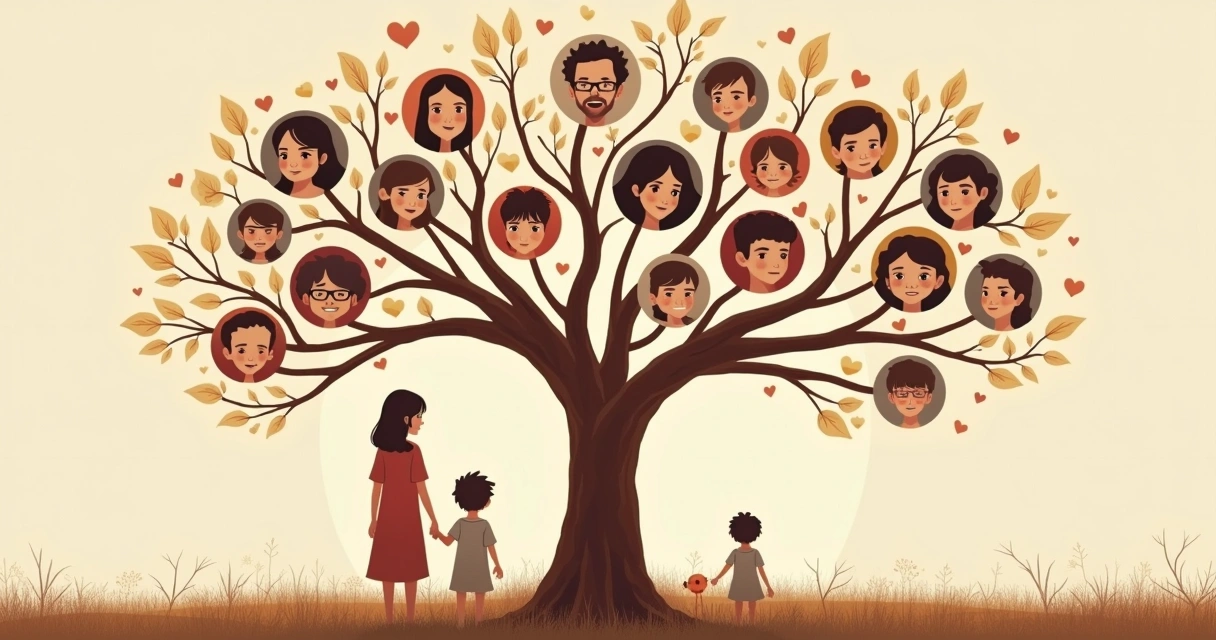
Practical steps to identify and work with emotional inheritance
If we look closer at our lived experiences, we notice signs that emotional inheritance is at play. Here is what we have found useful in practice:
- Reflect on your emotional triggers: When do you feel out of proportion to the situation? Ask yourself if this reaction feels familiar from family stories or dynamics.
- Look for repetitive family themes: Is there a cycle around money, conflict, loss, or roles that appears across generations?
- Speak with elders: Gentle conversations with family members can reveal hidden pain, strength, or stories that make current feelings suddenly make sense.
- Journal your discoveries: Sometimes, writing clarifies patterns that talking cannot.
- Bring awareness to the body: Many emotional inheritances live as tension, restlessness, or shutdowns felt physically. Gentle mindfulness or body-based practices can bring these feelings to the surface for healing.
Above all, we stress the necessity of patience. These patterns may have taken generations to form, and they need time, safety, and attention to unwind.
Conclusion: Writing a new chapter
Emotional inheritance influences the way we love, lead, and live, quietly shaping our actions and reactions until we bring it into full awareness. By naming inherited emotions, reflecting on their origin, and opening space for new responses, we become authors of our own story. We have seen that this work not only improves our personal well-being, but also creates more responsible families, workplaces, and communities. In taking responsibility for our emotional inheritance, we take a stand for a future less burdened by old pain—and more open to genuine connection, fairness, and growth.
Frequently asked questions about emotional inheritance
What is emotional inheritance?
Emotional inheritance is the set of emotional patterns, beliefs, and wounds unconsciously passed down through generations, shaping how we feel, react, and relate to others. These patterns can come from family history, cultural expectations, or societal experiences, and often influence us without our full awareness.
How does emotional inheritance affect me?
Emotional inheritance affects us by shaping our reactions, choices, and even our sense of self-worth. It may cause repeated struggles in relationships, unexplained anxieties, or loyalties we do not fully understand, often mirroring hidden family or cultural stories.
Can I change my emotional inheritance?
Yes, it is possible to change emotional inheritance. By recognizing inherited patterns, seeking understanding, and making conscious choices, we can interrupt the automatic repetition of the past and create new experiences for ourselves and future generations.
Where does emotional inheritance come from?
Emotional inheritance comes from the emotions, beliefs, and experiences of our family members and wider community, often formed in response to significant events, trauma, or cultural beliefs. These emotions and patterns are passed down through both overt behavior and subtle, often unconscious, relational dynamics.
How to heal emotional inheritance?
Healing emotional inheritance begins with honest reflection and acknowledgment of inherited emotions and patterns. Compassionate curiosity about family history, letting go of blame, and choosing new ways of relating are key steps. Seeking support from trusted relationships or therapeutic resources can further help in breaking old cycles and building healthier emotional foundations.