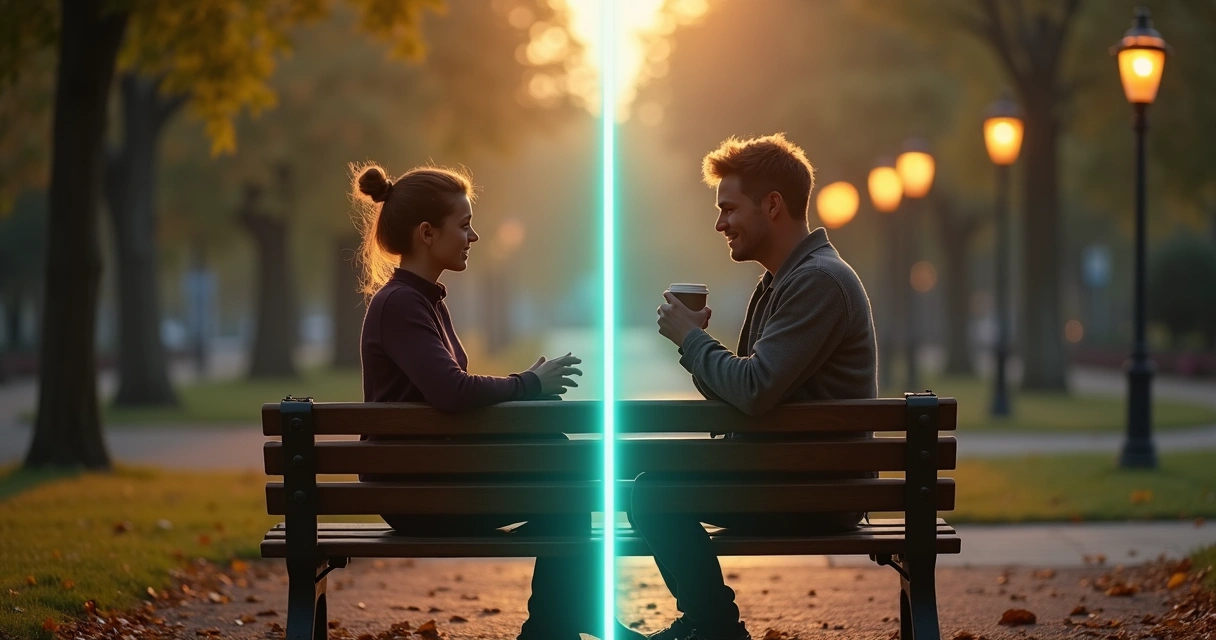


Have we ever found ourselves reacting strongly to something minor in a new relationship? Perhaps we have felt a sudden wave of sadness, fear, or anger, seemingly out of proportion to the situation. These moments can feel confusing, even overwhelming. In our experience, such reactions often signal that we are not only responding to the present moment, but carrying echoes from the past. We are, without always realizing it, projecting old wounds onto new relationships.
What does it mean to project old wounds?
Projecting old wounds happens when previous emotional injuries, often from childhood or past relationships, influence how we perceive and interact with people today. This is rarely a conscious choice. Instead, our minds and hearts try to protect us from getting hurt again by scanning for signs of danger that resemble old pain. This can make us hypervigilant, defensive, or withdrawn, especially when faced with intimate connections.
“Yesterday’s hurt shapes today’s response.”
Strong emotions can flare up, even when the situation is safe or positive. When we see betrayal where there is only a small mishap or feel rejected after a simple misunderstanding, we might be reliving something rather than living in the present.
How do these patterns form?
Our minds learn through repetition and association. If we have experienced betrayal, neglect, or criticism in the past, our nervous system remembers. Over time, when we encounter new situations that even slightly remind us of those wounds, our old protective patterns activate.
For example:
- If someone we cared about once left us suddenly, we might see signs of abandonment where there are none.
- When we grew up in an unpredictable household, we may become anxious when routines shift in a new relationship.
- If we were judged harshly as children or by a former partner, we might assume judgment in new friends or colleagues, even when none exists.
These are not decisions we consciously make. The mind tries to keep us safe, but in doing so, it may create distance or confusion.

How do projections affect new relationships?
When we bring old pain into new connections, the impact can be subtle or dramatic. We might find ourselves:
- Reacting defensively to harmless comments or actions.
- Withdrawing emotionally after a disagreement, feeling unsafe.
- Needing constant reassurance, yet doubting it when offered.
- Accusing our partner or friend of intentions they do not hold.
- Repeating cycles of conflict that feel strangely familiar.
When we project, the past blurs the truth of the present relationship.
The person in front of us might have no connection to our pain, but our nervous system cannot always tell the difference. Others might feel like they are being punished for crimes they did not commit, leading to a sense of confusion or frustration on both sides.
How can we recognize if we are projecting?
We think it helps to pause and check in with ourselves whenever reactions feel intense or “too much” for the situation. Here are some signals that we may be projecting old wounds:
- Strong emotional response seems out of scale with what actually occurred.
- Feeling as though the same negative situation is happening over and over, even with different people.
- Reliving stories in our mind that sound like, “This always happens to me” or “Why do people always leave?”
- A sense of déjà vu, as though we know exactly where a conflict is going—before it even fully unfolds.
If our emotions belong more to past memories than to this moment, projection is likely at play.
Why do we keep repeating these patterns?
Old wounds linger when they have not been fully recognized or processed. By repeating situations, our psyche seeks both protection and healing. On one hand, it tries to avoid hurt. On the other, it looks for a new ending—a sense of closure or understanding.
But without awareness, we often find ourselves reacting to the past, not to what is occurring now. The pattern becomes a loop, feeding on itself. We may attract people or situations that mirror our unhealed pain, or simply interpret neutral events as confirmation of our fears.
“We repeat what we don’t repair.”
What can we do about it?
If we sense that old wounds are shaping our new relationships, we can choose to shift from reaction to awareness. This does not mean blaming ourselves, but rather being curious and compassionate toward our emotional life. Here are actions we can take:
- Pause before reacting. When strong feelings arise, take a breath. Give ourselves space to notice what is happening internally.
- Ask, “Is this feeling new, or familiar?” Sometimes, simply recognizing “this feels like old pain” can reduce its power.
- Reflect on the story behind the feeling. Is there a younger part of ourselves that learned to expect hurt or distance? What did we need back then?
- Communicate vulnerably. If safe, share with the other person what we are noticing: “I realize I feel scared you might leave, and maybe that comes from the past.”
- Practice self-soothing. Gentle reminders like “I am safe now” or “This is a new situation, not the old one” can help calm the nervous system.
- Consider seeking support. Sometimes, the help of a caring listener can make all the difference in processing old pain.
The more we notice our patterns, the more choice we gain in how to respond. Awareness creates a bridge from reaction to presence.

How healing old wounds changes relationships
We have seen how healing and integrating past pain allows us to show up with more clarity and calm. Relationships become less about surviving past threats, and more about enjoying connection. Trust, patience, and understanding can flourish when old wounds are not steering our choices.
Every step toward healing our history is a step toward freedom in our present relationships.
We can learn to see others as they are, not as we fear they will be. New relationships become places of growth and support, not battlegrounds for the ghosts of yesterday.
Conclusion
Projecting old wounds in new relationships is a very human experience. It shows that our hearts remember pain, and want to keep us safe. By recognizing our patterns, pausing for self-reflection, and seeking healing, we can bring more peace to ourselves and to those we care about. When we move from reaction to presence, new relationships can thrive, unburdened by the past.
Frequently asked questions
What is emotional projection in relationships?
Emotional projection in relationships is when we unconsciously attribute feelings, motives, or fears from our past onto someone in our present relationships. This means reacting to a partner or friend as if they are causing pain similar to what was experienced before, even if they are not. It often happens outside our awareness, making present moments feel mixed with old experiences.
How to know if I'm projecting wounds?
Notice if your emotional reactions seem intense, repetitive, or larger than the situation calls for. If you find yourself assuming negative intent, feeling déjà vu in conflicts, or experiencing the same painful pattern across different relationships, these could be signs of projection. Becoming mindful of where our strong feelings come from can reveal if old wounds are at play.
How can I stop projecting old wounds?
To stop projecting old wounds, we can start by recognizing our feelings, pausing before reacting, and reflecting on whether the situation reminds us of past experiences. Self-soothing techniques, honest communication, and sometimes professional support help process and heal these wounds. Over time, this creates room to respond to the present, not the past.
Why do past wounds affect new love?
Past wounds affect new love because our brains and emotions remember what hurt us, and try to protect us from being hurt again. When we start a new relationship, unresolved pain might show up as fear, distrust, or overreaction. This is our history trying to keep us safe, even though it can sometimes make connecting with others more difficult.
What are signs of projecting in relationships?
Some signs of projecting in relationships include blaming others for feelings that come from past events, overreacting emotionally, making assumptions about intentions, repeating similar conflicts, and feeling misunderstood even when others are supportive. Recognizing these patterns is the first step toward changing them, allowing for more honest and peaceful connections.