

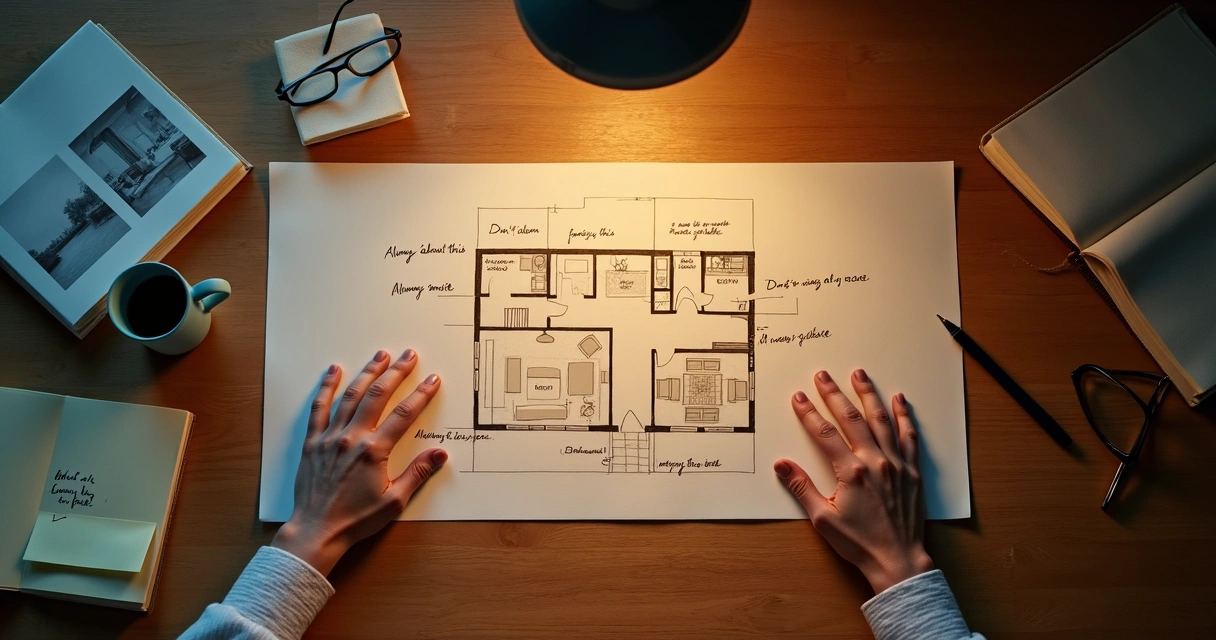
Most families have rules that no one writes down. No one hangs them on a wall. No one says them out loud. Still, everyone feels them.
We see this often. A person grows up hearing, “We are fine,” while the house feels tense. Another learns that tears bring silence, not comfort. Another becomes the one who keeps peace at any cost. These patterns do not stay in childhood. They become part of how we read love, safety, conflict, and worth.
Unspoken family rules are hidden emotional instructions that shape how we feel, react, and relate.
Your emotional map is not random. It forms through repeated moments. A look at the dinner table. A subject no one touched. A parent who needed calm more than truth. Small scenes. Big effects.
How silent rules are formed
Families create rules to keep order, reduce fear, or avoid pain. At first, this can seem harmless. A child notices what brings closeness and what brings distance. Then the child adapts.
We might learn:
- Do not upset others.
- Do not question adults.
- Do not show anger.
- Do not need too much.
- Do not outshine the family.
- Do not talk about what happened.
These messages may never be spoken directly. Yet they are taught through tone, withdrawal, blame, praise, or mockery. Over time, the body starts to expect the same outcome again and again.
Silence teaches too.
In our experience, this is why many adults feel confused about their own emotions. They were trained to track the room before tracking themselves.
What your emotional map may be showing
When we speak of an emotional map, we mean the inner pattern that guides how we respond to life. It affects what feels safe, what feels risky, and what feels familiar even when it hurts.
Your emotional map often reflects the rules that kept you connected to your family system.
For example, if the family rule was “stay small,” you may struggle with visibility. If the rule was “be strong,” you may feel shame when you need help. If the rule was “keep the peace,” you may freeze during conflict, even in healthy relationships.
We have seen people describe this in simple ways: “I say yes when I mean no.” “I feel guilty when I rest.” “I panic when someone is upset with me.” These reactions are not character flaws. They are clues.
Research supports this link. A study on family dysfunction patterns and adult wellbeing found that blurred boundaries, over-control, and poor communication were strongly tied to more depression and lower life satisfaction. That tells us something plain and direct. The emotional climate of home does not stay in the past just because time passes.
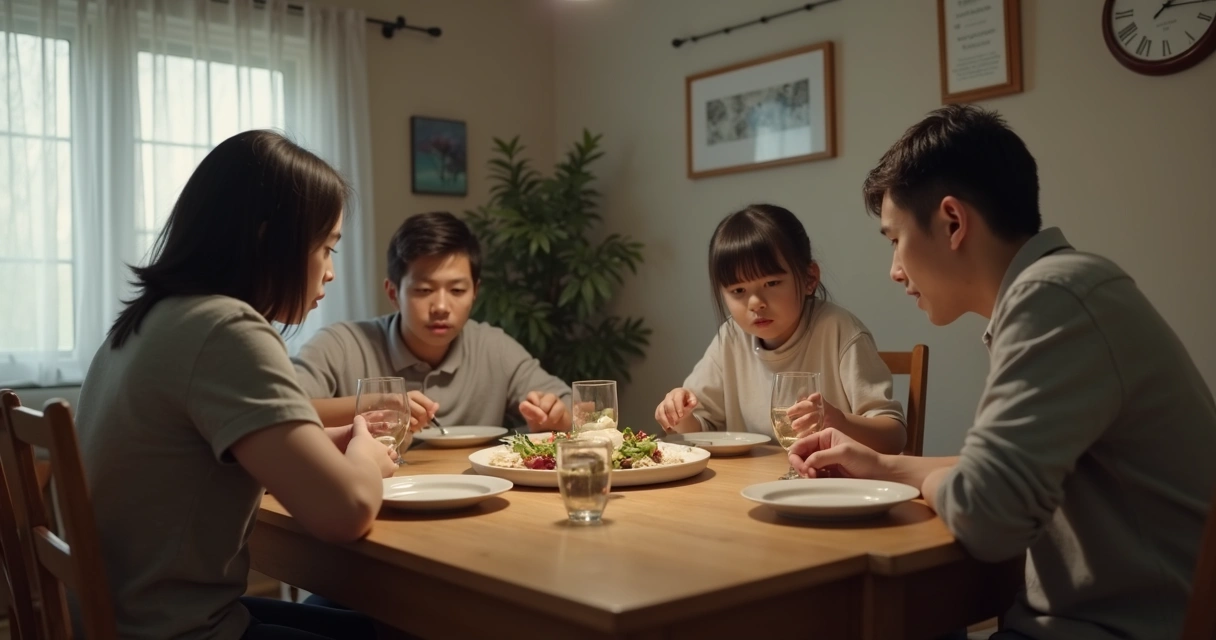
Common rules and their emotional effects
Not every family has the same pattern, but some rules appear often. When we name them, we can better see their emotional cost.
Here are a few common examples:
- “Do not talk.” This can lead to self-doubt, emotional suppression, and fear of honesty.
- “Do not feel.” This may create numbness, delayed grief, or sudden emotional overload.
- “Do not need.” This can produce hyper-independence and discomfort with receiving care.
- “Do not fail.” This often feeds anxiety, perfectionism, and harsh self-judgment.
- “Take care of everyone.” This may shape guilt, burnout, and weak personal boundaries.
Sometimes the rule is more subtle. A child gets praised only when calm, useful, or high-performing. Soon, love feels conditional. The person grows up and cannot relax into being loved without earning it.
That is how an emotional map forms. Not only from what happened, but from what was allowed.
When roles become rules
In many homes, one child becomes “the responsible one,” another “the difficult one,” another “the quiet one.” These roles help the family keep balance, but they limit emotional freedom.
We think this part is often missed. A role can look positive and still be heavy. The responsible child may be praised for maturity while carrying stress that was never theirs to hold. Years later, they still feel on duty. Even during rest. Even during joy.
Family roles can turn into lifelong emotional habits when they are tied to belonging.
A broad meta-analytic review of family patterns and emotional symptoms linked enmeshment, caregiving roles, coerciveness, and disorganization with internalizing and externalizing distress. In plain terms, when family bonds are fused, chaotic, or role-confused, emotional pain tends to follow a pattern.
We may call this an emotional inheritance. Not because fate decides it, but because repetition leaves marks.
How to notice your own pattern
Awareness usually starts with friction. We react strongly in a situation that seems small. We shut down during a normal disagreement. We feel guilt after setting a simple limit. That is often the moment to pause and ask, “What rule just got touched?”
A useful reflection process can look like this:
- Notice what triggers a strong emotional response.
- Name the fear under the reaction, such as rejection, shame, or abandonment.
- Ask which family message that fear sounds like.
- Observe whether that old rule still matches your present life.
We have found that this question can open a lot: What became unsafe in my family, even when it was healthy in itself? It may have been honesty. Anger. Rest. Difference. Success. Need.

Changing the map without denying the past
Old family rules can be changed, but not by force. If a rule helped us belong once, part of us may still treat it like protection. This is why change can feel strange at first.
We do not need to attack our history to grow beyond it. We can honor what once kept us connected while also seeing what now keeps us limited.
Change often begins with small acts:
- Telling the truth in a calm voice.
- Allowing emotion without apology.
- Setting one clear boundary.
- Receiving support without explaining it away.
- Choosing relationships where honesty is safe.
Short steps matter. They teach the nervous system a new result. Not every feeling must be hidden. Not every need leads to rejection. Not every conflict ends in rupture.
A new pattern needs practice.
Conclusion
Unspoken family rules reveal far more than household habits. They show the emotional conditions in which we learned to belong. If we were shaped by silence, control, role pressure, or blurred boundaries, our emotional map will carry those lines until we notice them.
We believe this is good news. What is learned can also be revised. When we name the hidden rule, we loosen its hold. When we understand the old adaptation, we gain more choice in the present. That is where emotional maturity starts. Not in perfection, but in awareness, honesty, and a steadier way of relating to ourselves and others.
Frequently asked questions
What are unspoken family rules?
Unspoken family rules are hidden expectations that guide behavior, emotion, and relationships inside a family. They are not said openly, but they are learned through repeated reactions, silence, praise, criticism, or avoidance.
How do family rules affect emotions?
Family rules affect emotions by teaching us which feelings are safe to show and which are risky. This shapes how we handle anger, sadness, need, conflict, closeness, and self-worth later in life.
Why do families have unspoken rules?
Families often develop unspoken rules to reduce tension, keep stability, or avoid pain. These rules can begin as a way to cope with stress, but they may continue long after the original reason is gone.
Can unspoken rules be changed?
Yes, unspoken rules can be changed. The first step is to notice them clearly. After that, new choices, honest communication, and steady boundaries can help build healthier emotional patterns over time.
How to identify my family's unspoken rules?
You can identify your family’s unspoken rules by noticing what felt unsafe at home, what emotions were discouraged, who had to play certain roles, and what happened when someone broke the pattern. Strong reactions in adult life often point back to those early rules.