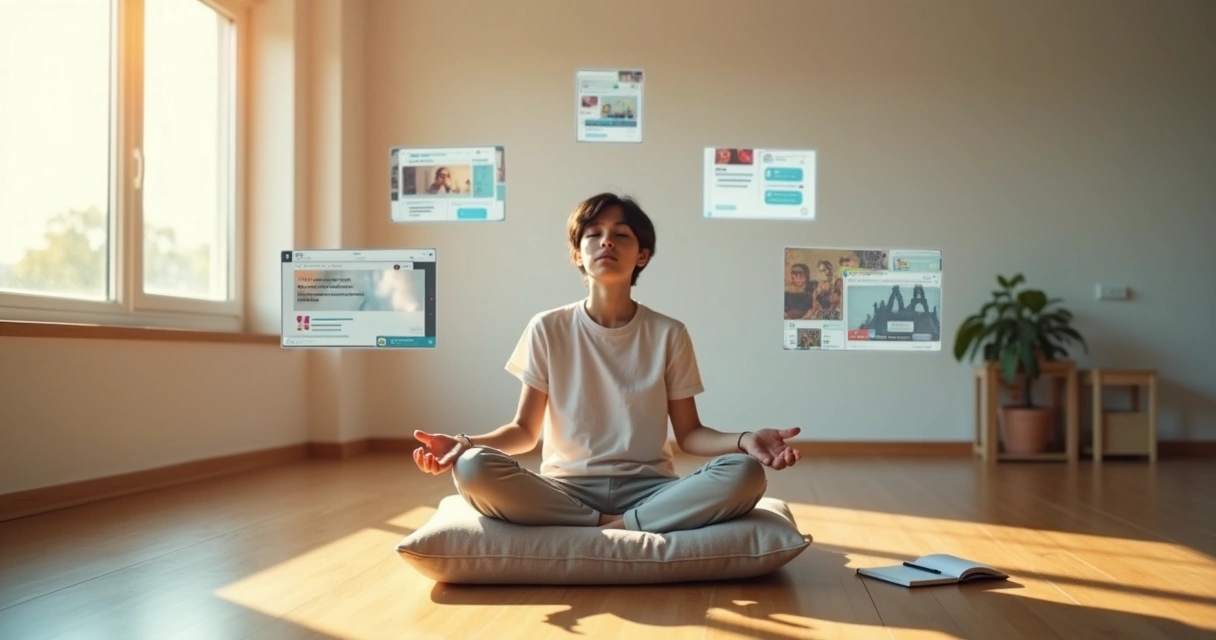

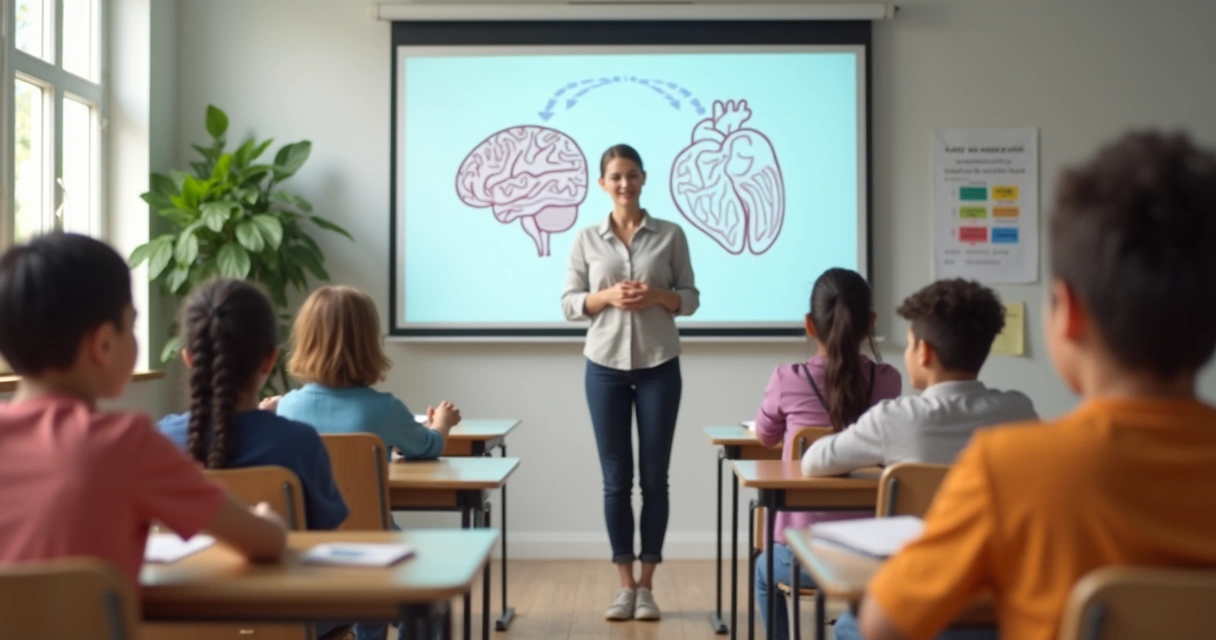
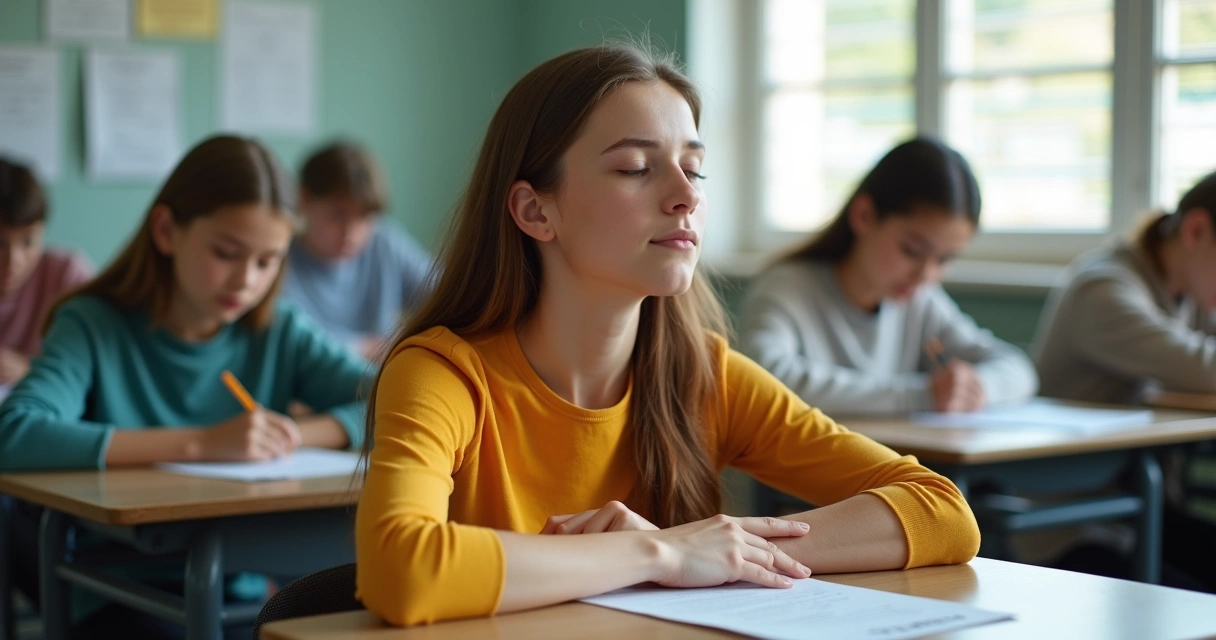
Picture a classroom on a regular Wednesday. A student sits quietly, tense but silent, as a wave of frustration passes by after missing a question. Another bursts into tears, unable to soothe the sting of embarrassment. In the same room, a teacher notices the shift in energy. Is the education system prepared for these invisible moments? Are we teaching children to understand and manage what lies beneath the surface?
What is emotional self-regulation?
Emotional self-regulation means our capacity to notice, understand, and manage our emotions in real time. For students, this means recognizing rising anger when losing a game, calming anxiety before a test, or knowing how to pause before snapping back at a classmate. But emotional self-regulation is more than just “staying calm.” It’s about building inner balance and choosing how to act, rather than reacting blindly.
In our experience, we find that learning to regulate emotions shapes every part of life. It influences how we build relationships, approach challenges, and even how we view ourselves. It is not about denying or hiding feelings. Instead, self-regulation gives us tools to accept emotions, face them, and respond wisely.
Why self-regulation should be part of education
We have seen firsthand that academic success and emotional skills are deeply connected. When students understand and manage their feelings, their behavior, attention, and ability to learn improve dramatically. In conversations with teachers, we hear the same story: students who can self-regulate tend to have more friends, concentrate better in class, and recover faster from setbacks. The academic side benefits, but so does the entire classroom climate.
Research suggests that emotional management helps reduce bullying and conflict, supports inclusion, and builds the foundation for empathy and respect. When self-regulation is present, schools are calmer spaces where learning can truly happen.
Emotional balance is a quiet strength in every learning environment.
Are schools teaching emotional self-regulation?
Does every school include self-regulation in the curriculum? In our observation, the answer varies greatly. Some schools include emotional literacy and self-regulation lessons through dedicated programs or within other subjects. Teachers may lead activities focused on naming emotions, practicing mindfulness, or using role plays to model self-control.
Yet, in many schools, these skills are not taught directly. The assumption is that emotional skills are learned at home, or “picked up” as students grow. The reality is that without intentional practice, many students leave school lacking the tools to cope with stress, frustration, or social challenges.
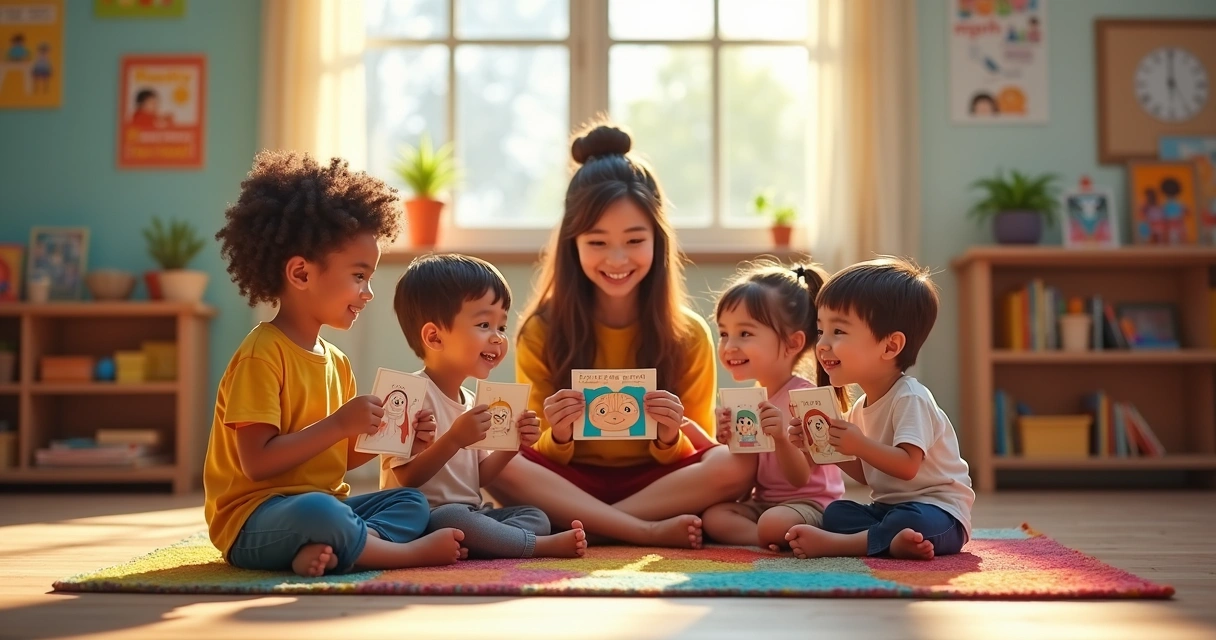
We strongly believe that every classroom should treat self-regulation as a skill, just like reading or math. Emotional skills can be taught, practiced, and improved over time, no matter a student’s age or background.
How emotional self-regulation is taught
Teaching self-regulation requires more than providing students with a set of rules. In our view, effective instruction blends knowledge, practice, and reflection. Here are several tried-and-true ways we see these skills included in schools:
- Emotional vocabulary: Teaching students to name their feelings (happy, sad, nervous, proud, etc.) builds awareness and decreases confusion or shame around emotions.
- Breathing and grounding exercises: Short daily practices such as mindful breathing or body scans help students calm their bodies and focus their minds.
- Conflict resolution activities: Students engage in guided role plays or discussions about disagreements and practice slowing down before reacting.
- Reflection time: Encouraging students to journal or talk about their experiences helps them recognize patterns and practice new responses to stressors.
- Supportive language from teachers: Adults model self-regulation by expressing emotions in healthy ways, using calm words even during stressful moments, and inviting open discussions about feelings.
It’s not just what we teach, but how we respond to children in their daily struggles that matters. We notice the biggest breakthroughs happen when self-regulation is seen as a daily practice, in small moments and big challenges alike.
What happens when it is missing?
We have witnessed the cost of leaving self-regulation out of education. Students may develop academic knowledge, but without emotional skills, stress grows and relationships crack. Outbursts in class, bullying, withdrawal, or anxiety can fill the gaps where emotional balance is missing.
Unregulated emotions lead to a ripple effect that affects focus, trust, and classroom safety. Teachers may spend more time managing disruptions or calming nerves than actually teaching the subjects at hand. The consequences of poor self-regulation can follow students into adulthood, appearing as job stress, relationship issues, or difficulty managing challenges.
What can families and communities do?
Learning emotional self-regulation is not just the work of schools. We find that the strongest results come when families, educators, and communities work together and speak the same language about emotional skills. For example, parents who model self-regulation at home, talk openly about feelings, and encourage pausing before reacting give students confidence to practice in other settings.
It helps to use similar strategies both in and out of school:
- Create calm-down corners or safe spaces at home.
- Use gentle reminders to name emotions instead of ignoring them.
- Practice “stop and breathe” before discussing difficult topics.
Community programs, after-school activities, and sports can include self-regulation strategies too. Working together, adults can provide consistent support so every child learns to manage their inner world.
Self-regulation is a shared responsibility. It is how we build kinder schools, and a kinder society.
Conclusion: Do our education systems teach what truly matters?
We believe the true power of education lies not only in memorizing facts, but in teaching young people to balance their inner worlds. Emotional self-regulation opens doors for better relationships, stronger learning, and more welcoming spaces. When schools actively teach self-regulation, they not only help students succeed academically, but also prepare them to head into the world with greater confidence and stability.
The next time we walk into a classroom, let’s look beyond the lesson. Let’s ask: are we giving students the skills to face frustration, disappointment, excitement, and fear, or just hoping they figure it out along the way?
Frequently asked questions
What is emotional self-regulation in education?
Emotional self-regulation in education refers to teaching students how to notice, understand, and manage their emotions in daily school life. It involves building awareness of feelings, learning to pause before reacting, and choosing healthy responses in classrooms, during tests, with classmates, and throughout challenges or successes.
Why teach emotional self-regulation at school?
Teaching emotional self-regulation at school helps students to build resilience, manage stress, and relate well to others. When students learn these skills, classroom environments become safer, calmer, and more focused, which benefits both learning and social development.
How can schools improve emotional self-regulation?
Schools can improve emotional self-regulation by incorporating specific lessons on feelings, practicing mindfulness regularly, modeling healthy emotional responses, and offering opportunities for students to reflect on experiences. Inclusive and consistent approaches give students daily practice and support.
Is emotional self-regulation taught in all schools?
No, emotional self-regulation is not taught in all schools. Some offer structured programs or lessons, while others rely on informal learning or may not address it directly. The presence and quality of self-regulation education can vary widely depending on school policies, teacher training, and available resources.
What are the benefits of teaching self-regulation?
Teaching self-regulation leads to improved focus, better relationships, reduced classroom disruptions, and higher overall well-being. Students with strong self-regulation skills are better equipped to succeed in school and life, both academically and personally.