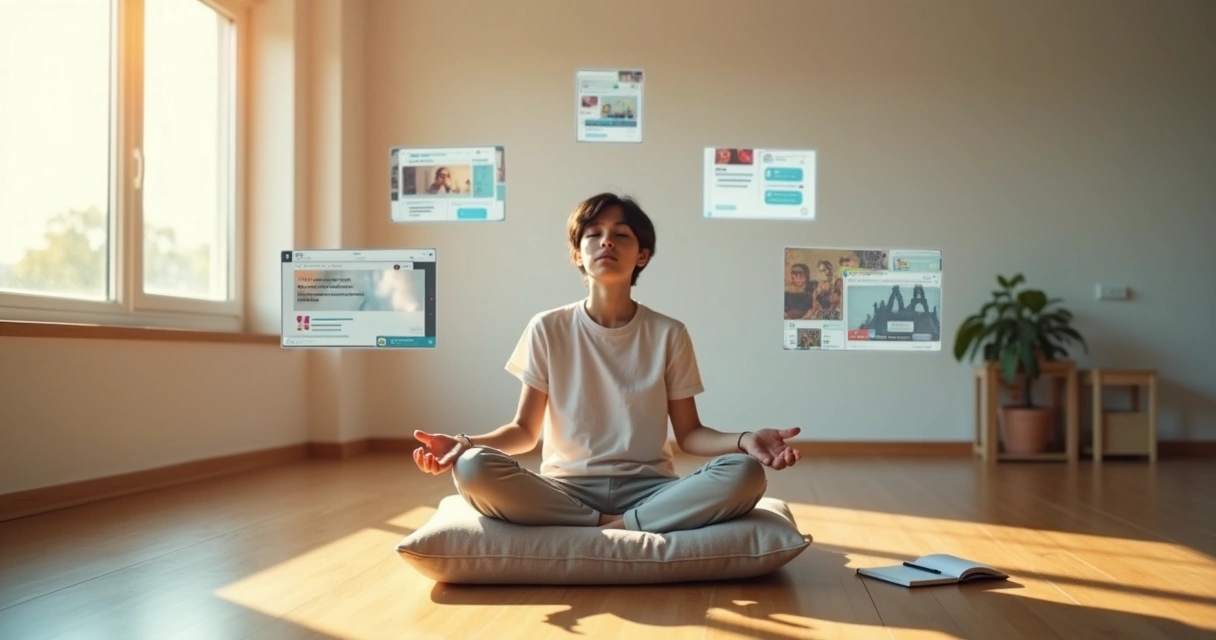
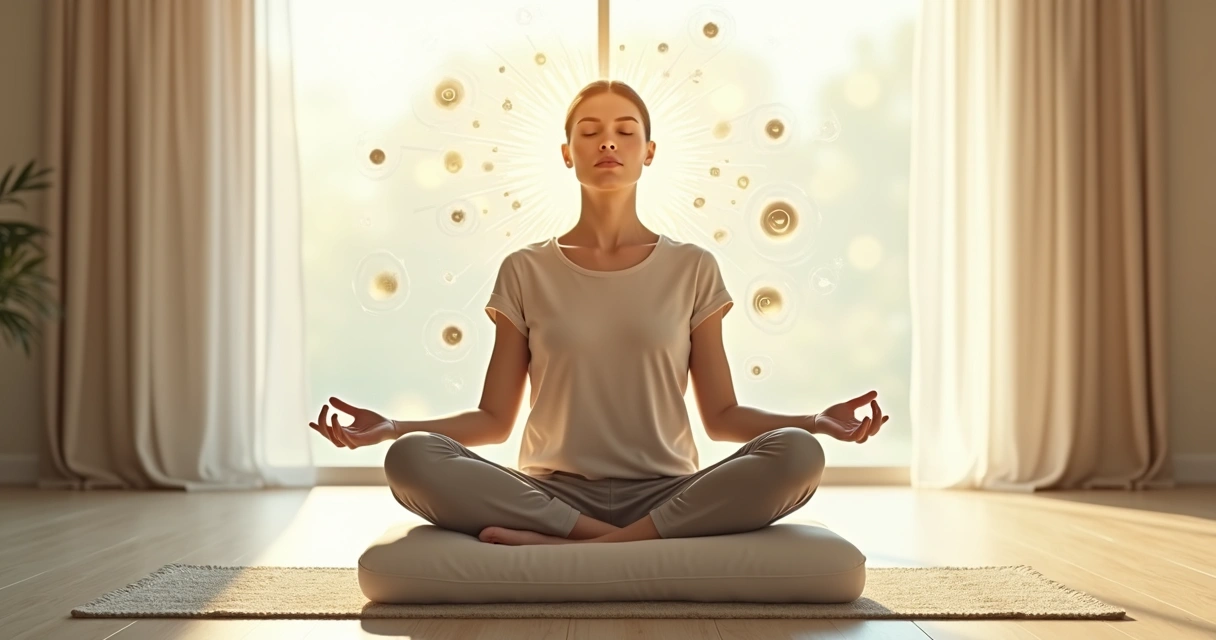
We live in an age where pressure, information, and emotion collide every day. When emotion is left unaddressed, small moments can become big troubles. This is why we believe self-regulation is not just helpful—it is necessary for a balanced life. The practices we describe here stem from a view that sees the human being as a system: emotional, relational, and conscious, always responsible for its impact on the world. In our experience, regular meditation can mean the difference between reactivity and clarity, between chaos and inner order.
Balance within creates balance without.
In the next sections, we share five Marquesian meditation exercises that guide us from emotional turbulence to a state of calm presence. These are not mystical rituals, but simple, structured routines that help us regulate, reflect, and grow in daily life.
Why daily self-regulation matters
When we operate from emotional turbulence, our decisions, relationships, and results reflect that instability. Through steady self-regulation, we sustain emotional integration. Integrated emotions are not repressed; they are seen, welcomed, and placed where they truly belong.
We have observed that mature consciousness is less a trait and more a practice. Daily exercises improve self-regulation gradually—much like cultivating a garden rather than forcing fast results. As we show up for these exercises, we learn to stay present with our emotions, no matter how intense or subtle they may be.
The principles behind Marquesian meditation
Each exercise is rooted in awareness, responsibility, and the intention to transform automatic reactions into conscious actions. This method draws from five guiding principles:
- Emotions need to be noticed, not avoided or suppressed.
- Presence is nurtured by kind attention to the body and breath.
- Reflections must be honest, but not judgmental.
- Internal order leads to external harmony in actions and relationships.
- Small, daily routines shape maturity over time.
We approach these exercises as daily invitations. There is no pressure for perfection, only the ongoing effort to relate differently with our emotions.
The five exercises for daily self-regulation
1. Three-point breathing to anchor awareness
Breath is the link between body and mind. This exercise brings attention to three areas: the nostrils, the chest, and the abdomen. We suggest beginning each day with this anchor.
- Sit comfortably and close your eyes.
- Notice the air entering your nostrils and exiting gently. Observe the temperature, the sensation.
- Move your focus to your chest. With each inhale, sense the gentle lift; with each exhale, feel the release.
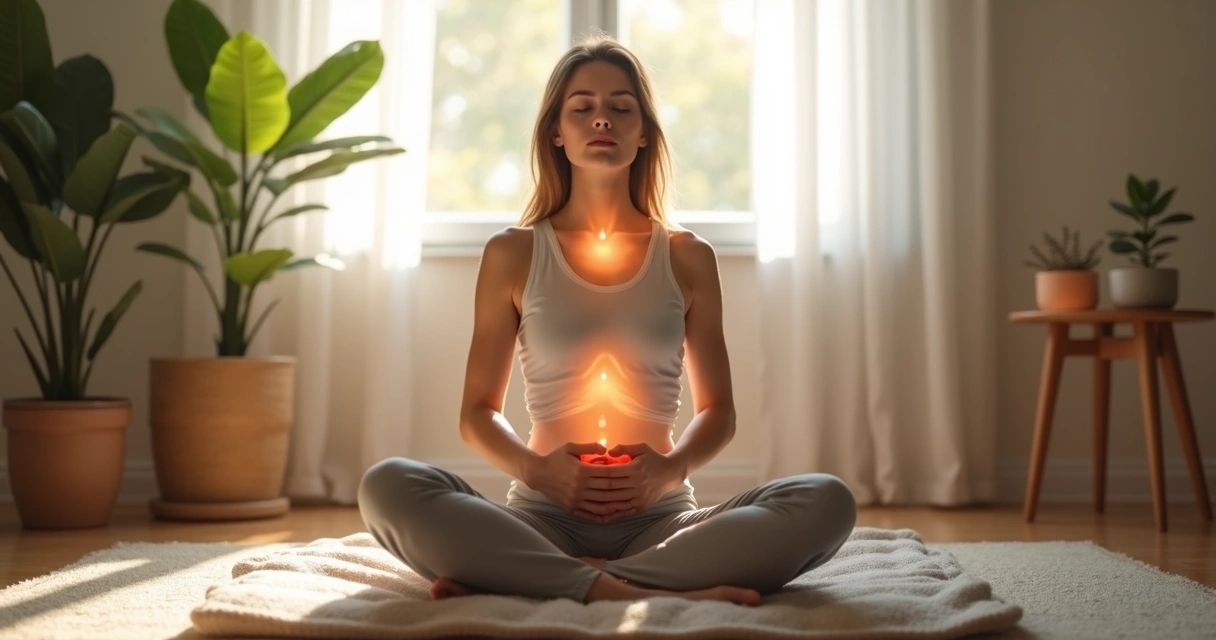
- Now, bring awareness to your lower abdomen. Place your hands there, if you like. Feel the belly expand with each breath in, and contract as air leaves.
- Cycle through these three points for several minutes.
If thoughts pull you away, gently return to breathing. This exercise grounds awareness, reduces anxious chatter, and helps us meet the day with centeredness.
2. Naming and framing emotions
Many of our actions are guided by feelings we do not name. When we practice naming, emotions lose much of their grip. Naming the emotion is the first act of transformation.We recommend this technique whenever you notice strong feelings.
- Pause and ask, “What am I feeling right now?”
- Name the emotion with as little judgment as possible: anger, worry, sadness, joy, confusion.
- Frame it: “I am noticing sadness” instead of “I am sad.” Notice the difference?
- Breathe and acknowledge the feeling without needing to change or act on it instantly.
This practice creates a gentle pause between emotion and action. Over time, we respond with more wisdom and less reactivity.
3. Self-inquiry for unconscious patterns
We often carry patterns from our past—family inheritances, social scripts, or old injuries. Awareness helps us detect these drivers before they take over. Self-inquiry is a process of quietly questioning our own states and reactions.
- When strong emotions or repeated reactions arise, close your eyes and allow your body to be still.
- Ask silently, “When have I felt this before?” or “Who am I being right now?” Wait for the honest answer to come up, without forcing.
- Notice any memories, body sensations, or familiar inner dialogues that arise.
- Thank whatever you find. Even if it is not pleasant, every pattern was once meant to protect you.
We do not force insight. We allow it. This practice invites unconscious material to become conscious, reducing its hold over us.
4. Presence scanning for physical/emotional tension
Often, our bodies carry what our minds want to ignore. Presence scanning is a meditation on the sensations of the body, used to locate emotional tension and restore flow.
- Sit or lie quietly. Close your eyes. Breathe slowly.
- Mentally scan your body from head to toe. Notice places of pressure, heaviness, tightness, or warmth.
- Where you find tension, pause. Breathe into that spot. Ask the area, “What do you want me to notice?”
- Stay with each spot until some shift occurs—maybe a release, a new idea, or simply softness.
This practice can be brief (five minutes) or much longer. The key is to listen and respond to the body's messages, without rushing or interpretation.

5. Intention setting for conscious action
Our actions echo our internal states. Before meetings, conversations, or big decisions, we focus briefly on intention.
- Pause. Place a hand on your chest, close your eyes.
- Ask, “What do I want to bring to this moment?” Maybe it is patience, clarity, kindness, boundary, or focus.
- State your intention silently or out loud.
- Breathe, let the intention settle into your body. When ready, step gently into action.
It is surprising how this brief step shifts outcomes. By setting intention, we act from maturity, not from emotional impulse.
Bringing it all together
We find that self-regulation is a living process, shaped by our choices each day. These meditations are invitations—to practice, to learn, to mature steadily through attention and kindness. Emotional balance is not a gift some people simply have; it is grown through exercises like these, repeated across weeks, months, and years. When we regulate ourselves, we change how we relate to everything and everyone around us.
Frequently asked questions
What is Marquesian meditation?
Marquesian meditation is a structured approach to self-regulation using exercises that integrate emotional awareness, presence, and conscious action. It combines breathing, reflection, body awareness, and intention setting to help individuals manage their internal state and respond to life with maturity and coherence. The method emphasizes daily practice and the connection between inner balance and external impact.
How do I start Marquesian meditation?
To start, we suggest choosing one of the exercises described—such as three-point breathing or naming emotions—and practicing it for a few minutes daily. Find a quiet space, minimize distractions, and approach the practice with a gentle, non-judgmental attitude. Progress does not require long sessions; what matters most is showing up consistently and being honest with your experience.
Are these exercises good for beginners?
Yes, these exercises are designed for all levels, including beginners. The instructions are simple, and each exercise can be adjusted to suit your needs and time constraints. We encourage starting slowly and adding more as you become comfortable, trusting that mastery comes with repetition.
How often should I do these exercises?
Daily practice leads to the best results, even if you begin with just five minutes per day. Consistency is more helpful than duration, so pick a routine that fits your life and make it a daily habit. Over time, you can increase the length or try new exercises to strengthen your self-regulation further.
What are the benefits of self-regulation?
Self-regulation reduces emotional reactivity, increases clarity, supports better decision-making, and helps create balanced relationships. Practicing these meditation exercises leads to greater internal stability, improved communication, and more positive impact in work, family, and social situations.