

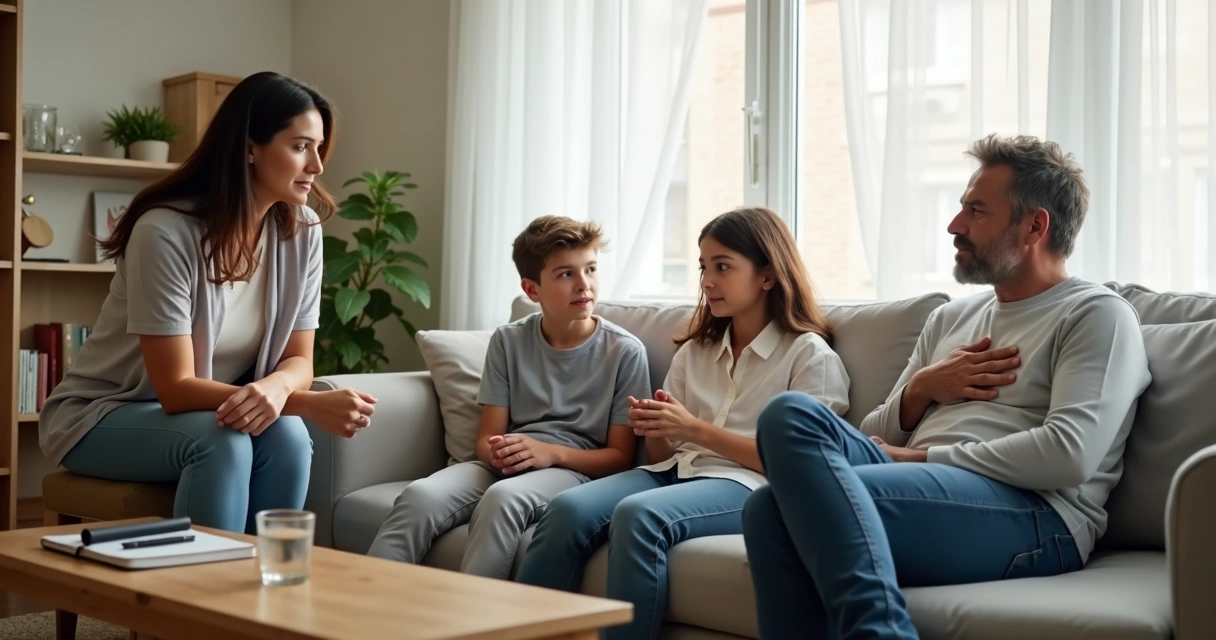
Family life can be lively, loving, and sometimes stormy. We often face moments where words sting or situations spiral, and we wonder, “How did we let it get this far?” In our experience, recognizing and changing emotional reactivity at home isn’t easy, but it is possible. This guide can help us as families build more stable connections and respond instead of react to the pressures and challenges we face together.
Understanding reactivity: what it looks like at home
Reactivity is not just about shouting or slamming doors. It lives quietly in the sigh before a conversation, the sudden defensiveness, the quick withdrawal, or even sarcastic remarks. These are moments when emotions take the driver’s seat, pushing reason and empathy aside.
Reactivity is our immediate, often unconscious response to emotional triggers. In family settings, these responses can show as:
- Escalating arguments that start from minor issues
- Silent treatments or emotional withdrawal after a disagreement
- Repeated blame or criticism without resolution
- Feeling the need to “win” instead of understand
We have found that reactivity is rarely about the surface topic. Instead, it usually connects to feelings underneath—old hurts, fears, or unmet needs. Spotting reactivity means noticing when the energy in a conversation shifts from open to tense, and when someone’s response becomes more about protecting themselves than reaching understanding.
Tracing the roots: why do we react?
No one is born an expert at handling emotion. Our patterns of reactivity often grow from childhood experiences, learned habits, and the emotional models we watched. Sometimes, we may not even recognize how automatic certain responses have become.
- We may react strongly to criticism because, in the past, criticism felt unsafe.
- Withdrawing might have once protected us from conflict, so now we shut down instead of speak up.
- Anger can surge because vulnerability feels too risky to show outright.
Our most reactive moments are warnings that something inside us feels threatened or unseen. The more we understand what we are protecting in ourselves or others, the better we can manage those intense rushes of feeling.
The moment of awareness: how can we spot reactivity?
Spotting reactivity requires a pause. In the whirl of family life, it’s tempting to move quickly from feeling to action. But if we slow down—even briefly—we start to notice key signals:
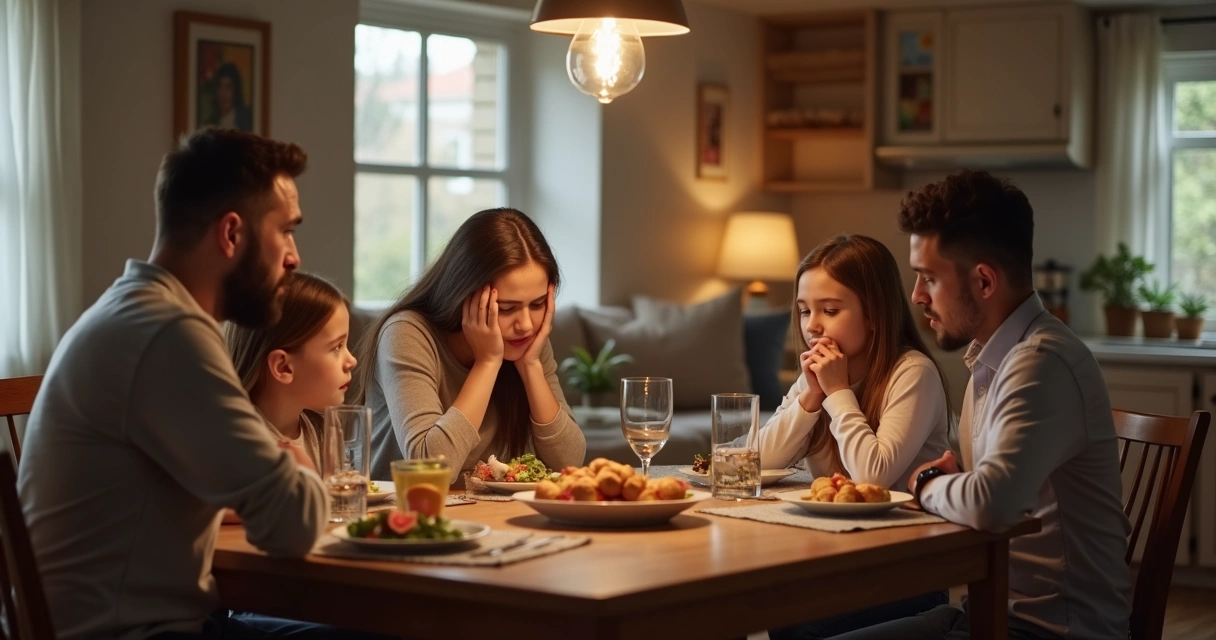
- Bodily sensations: tightening chest, clenched jaw, or quickened breath
- Sudden urges: wanting to interrupt, walk out, or fire back a retort
- Shifts in tone: voices go up, or grow cold and distant
- Change in focus: moving from "us" to "me versus you"
When we spot these red flags, it’s a chance to choose how we will proceed. Are we protecting ourselves, or willing to stay present with each other?
Moving from reaction to response: making the shift
Transforming reactivity isn’t about demanding silence or hiding emotion. It means learning to pause, allowing emotion to pass, and then choosing how to engage. We believe every family can build this capacity, step by step.
Steps to shift away from reactivity
When tension rises, we suggest the following:
- Pause. Even a few seconds to breathe or count silently can stop an argument from getting worse. This pause offers us a chance to redirect our attention inward before continuing.
- Name the feeling. When we say, “I’m feeling overwhelmed” or “That hurt,” we recognize the emotion instead of letting it drive us.
- Stay curious, not certain. If we ask, “What just happened for you?” instead of accusing, we invite others into a shared space rather than a battlefield.
- Revisit the issue later if needed. Sometimes, taking time apart is healthier than forcing resolution. Once feelings are less intense, conversations can be closer to constructive.
Respond, don’t react.
This idea, although simple, can change the dynamic of any tough moment.
Building emotional balance as a family
Over time, families can create an atmosphere where reactivity fades and connection grows. We have seen that a few practices help promote this shift:
- Regular check-ins: Setting time each week for each member to share what’s going well and what feels tough
- Setting boundaries: Making clear agreements about how to handle disagreements, such as “no yelling” or “take a break when too upset”
- Modeling self-regulation: When adults manage their own emotions, children learn what calm looks like, even during stress
- Celebrating progress: Noticing—even out loud—when anyone catches themselves before reacting or repairs after a heated moment
With patience and effort, these choices become habits. Family members learn it’s safe to share feelings, set limits, and repair after conflict. This is the ground from which true closeness grows.

Repair and reconnect: what to do after reactivity
It’s not possible to avoid all outbursts or misunderstandings. What matters is how we repair. Repair means saying, directly and with care, “I regret how I spoke,” or “I wish I’d reacted differently.” It allows both people to move forward without carrying resentment.
- Replay the moment: Calmly describe what happened, without blame. Example: “Earlier, my tone was too sharp. I want you to know I’m sorry.”
- Share responsibility: Instead of focusing on what others should fix, add our own steps for next time.
- Listen and invite repair from all sides: Even if only one person apologizes at first, it can encourage others to do the same.
We believe that every relationship can repair. We just have to be willing to be honest about our part, over and over.
Conclusion: Growing together, choosing balance
In our experience, families who learn to spot and shift reactivity grow closer. By paying attention to our inner warnings, pausing in tense moments, and reaching for connection instead of control, we nurture balance and safety for everyone at home. Progress is built from many small moments. When we each choose responsibility over reaction, the atmosphere in our family transforms—one calm, open response at a time.
Frequently asked questions
What is family reactivity?
Family reactivity refers to automatic emotional responses that members have when they feel triggered, threatened, or misunderstood in family situations. These responses, such as yelling, shutting down, or blaming, happen quickly and often without conscious thought.
How to recognize reactivity in families?
We can recognize reactivity by noticing patterns like frequent arguments, sudden mood changes, withdrawal, or defensive statements. Physical cues, like tense muscles or raised voices, and an urge to “win” rather than solve a problem, are common signs.
What causes family members to be reactive?
Family members become reactive due to stress, past unresolved hurts, modeled behavior from previous generations, or unmet emotional needs. Triggers are often linked to old experiences where someone felt unsafe or unaccepted, which can create strong responses even in calm situations.
How can I shift family reactivity?
To shift family reactivity, we recommend pausing when emotions rise, naming your feelings, practicing curiosity instead of certainty, and agreeing on healthy ways to handle conflicts. Making time for regular connection and practicing self-regulation also help transform reactive patterns over time.
Why is shifting reactivity important?
Shifting reactivity is key because it creates safer, more supportive relationships and helps families solve problems together instead of against each other. This process builds trust and emotional stability, which benefits everyone in the family.