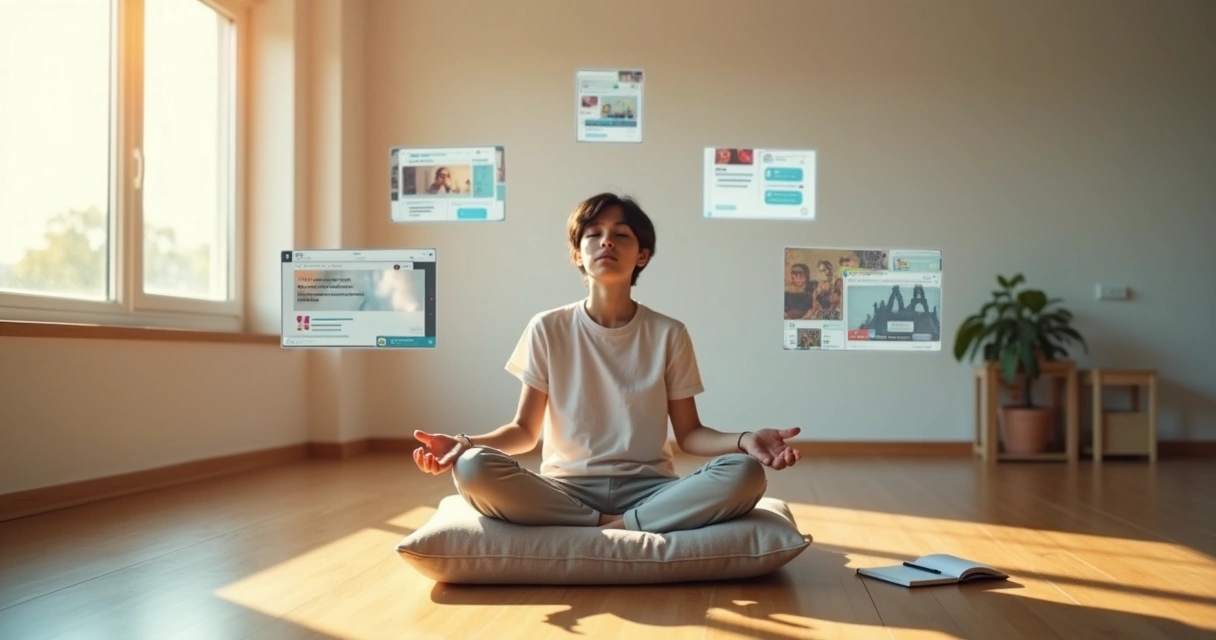


Emotional stability is not a state found by accident. We think it grows, layer by layer, with conscious attention to what we nurture within. Our daily rituals, even the smallest ones, shape how we feel, respond, and interact with the world. The right habits invite calm, help us center ourselves in chaos, and equip us to handle the unexpected.
What are emotional rituals and why do they work?
Most people think of rituals as complex or out of reach, but emotional rituals are simple, regular practices we use to give inner structure to our day. They slow us down for a moment, redirect our attention, and help us notice what is happening inside and out. When repeated, these small acts offer a sense of safety, which is vital for feeling balanced.
Small rituals, practiced with intention, can bring a steady feeling of peace.
We find that even short, daily moments of emotional care can loosen stress, help us recognize our feelings, and prevent impulsive reactions. They act as a gentle anchor, keeping us steady through busy or difficult times.
Morning: setting the tone for your day
The old saying “start your day well and the rest will follow” is more than just words. Our morning mood colors all that we do next. We suggest opening your day with a short ritual to check in with yourself:
- Sit quietly and breathe. Before reading messages or reaching for anything, pause. Take slow breaths, noticing the way your body feels as you inhale and exhale.
- Name your first thoughts and feelings. You might notice tension, tiredness, or calm. Try naming each one quietly to yourself, without judgment.
- Set one gentle intention. Not a list of tasks, but a simple word or phrase like “steady,” “open,” or “present.” Let it be a soft guide for your actions.
We do not need complicated routines. Even three minutes of focused attention can change how we meet the day.
Throughout the day: pausing to reset
Emotional tension tends to build gradually. That is why short rituals, sprinkled through the day, help prevent us from becoming overwhelmed. We use these pauses as “emotional checkpoints.”
- Stretch and move. Stand up, stretch, and move your arms or legs. This signals your body to release built-up pressure.
- Drink a glass of water slowly. Focus only on the feeling as you sip. It seems small, but these moments slow the stream of thoughts.
- Close your eyes and listen. Let the sounds around you come and go. Do not analyze, simply notice.
We often underestimate how much these little resets can prevent our emotions from building up and overflowing in our reactions to others.

Evening: letting go before rest
How we end our day affects how we sleep and how we greet the next morning. We encourage a closing ritual, simple and free from screens, to gently “close” the mind.
- Reflect in writing. Take a notebook and spend two minutes jotting down what you are grateful for, or any moments that felt charged with emotion.
- Release the day. Imagine, as you lie down, the day’s worries leaving you with each out-breath. It does not have to be perfect—just let go a little bit.
- End with kindness. Speak a kind phrase to yourself, like “May I rest deeply tonight.” Let that be your signal that the day’s efforts are enough.
Ending the day with gentle intention helps our mind and body recover, preparing us for another day full of potential.
Rituals for moments of strong emotion
Few of us go through a day without spikes of anger, sadness, or anxiety. It is easy to react quickly and regret later. With practice, daily rituals can become our anchor even in these stormy moments.
- Place a hand on your heart. Literally feel the beat and the warmth. This simple act grounds you to your physical self, slowing thoughts.
- Count four things you can see, hear, and touch. Engaging your senses moves you from reaction to awareness.
- Breathe to the count of four. Inhale for four, hold four, exhale for four, pause for four. This rhythm brings control back when emotions feel like they might control us.
Pause, notice, and own the feeling before the feeling owns you.
Over time, such rituals help us respond instead of react. The more we practice, the easier it feels.
The role of physical space and environment
Where we are influences how we feel. We find that simple changes in our environment can boost the power of our emotional rituals.
- Create a small calming space. This could be a chair by a window, a cushion with a candle, or a tidy corner with a plant. Let it be a place you return to, even if only for a minute.
- Use sensory cues. Soft light, gentle sounds, or a faint scent can signal your body that this is a space to pause.
- Keep it inviting but simple. There is no need for perfection. This area should welcome you as you are.
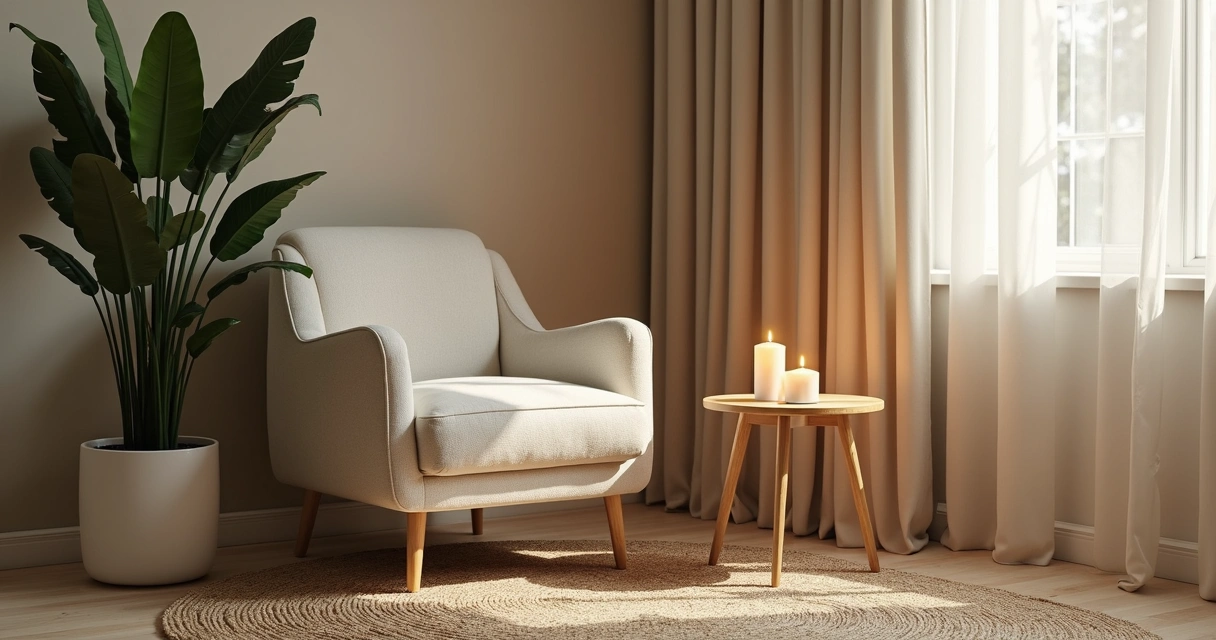
Even the sight of a familiar, soothing spot can become a powerful reminder to care for our emotional state.
Staying consistent and forgiving with rituals
We all miss days. We all forget. Emotional stability is not about never slipping, but gently returning to what anchors us. In our opinion, it matters less how perfect our rituals are, and more that we keep returning.
- Choose only a few rituals to start. Make them short and realistic.
- Place reminder notes or helpful cues where you will see them.
- If you miss a day, simply begin again. Forgiveness for lapses is a ritual in itself.
The real power is in coming back, again and again, to what steadies us.
Making emotional rituals your own
Not every ritual fits every person. Some of us find peace in movement, others in stillness. The most effective daily emotional rituals are simple, personal, and, above all, meaningful to us.
If a practice becomes forced or heavy, it may be time to try something new. Our emotional stability grows not from forced perfection, but from honest self-kindness. Over time, these rituals add up, shaping how we show up each day—for ourselves and those around us.
Conclusion
Daily emotional rituals create steady ground in an ever-changing world. Regular pauses for self-care are not indulgent; they are the foundation for clear minds and open hearts. With intention, our rituals can transform the smallest moments into powerful anchors, giving us more freedom to choose our responses and shape our days with calm.
Frequently asked questions
What are daily emotional rituals?
Daily emotional rituals are simple and intentional habits that help us notice, understand, and gently guide our inner state. These can be brief practices such as mindful breathing, writing thoughts, or using kind words with ourselves. They are small steps done regularly to steady our emotions throughout the day.
How do emotional rituals help stability?
Emotional rituals give us regular points of calm, making it easier to respond thoughtfully instead of reacting impulsively. They offer structure and predictability, which helps the mind and body feel safe, especially when life feels chaotic. This steady practice creates a strong base for lasting emotional stability.
Which rituals are best for beginners?
For those new to emotional rituals, we recommend starting with a few basic practices—like pausing to take three deep breaths when waking, writing one thing you are thankful for each night, or touching your heart and breathing during stress. Start with what feels natural and easy, and remember that consistency matters more than complexity.
How can I start emotional rituals?
To start, pick one small practice that fits your day—maybe a morning breathing exercise or an evening reflection. Attach it to an existing habit, like having coffee or brushing teeth, so you remember. The goal is to be gentle with yourself and return to the ritual each day, even if you miss a few along the way.
Is it worth doing daily rituals?
Yes, daily rituals are worth it because they anchor us, reduce stress, and help us make consistent, wise choices. While the effects may seem small at first, over time they add up, shaping a calmer, more stable way of living. The real value comes from regular, honest practice, not from perfect performance.